Zero to Agent: Kicking Off My Microsoft Foundry Series
I'm starting a hands-on series on Microsoft Foundry — practical, no-fluff guides instead of another wall of documentation. Here's the plan.
Aug 6, 2026
Why This Series Exists
Every time I go looking for how to actually do something in Microsoft Foundry, I end up with fifteen open tabs, three of them for the “classic” portal, one for a preview feature that got renamed last month, and none of them telling me the one command I actually needed to run.
Microsoft’s docs are thorough. They’re also written to be complete, not to get you from “I have an Azure subscription” to “I have a working agent” in one sitting. That’s the gap this series is for.
So I’m doing what I did with Microsoft’s other AI tooling before: building things, taking notes on what actually worked, and turning that into a series anyone can follow without needing three other tabs open.
What Is Microsoft Foundry, in One Page
If you want the full history — Azure OpenAI Studio, Azure AI Studio, Azure AI Foundry, and how it landed on just Microsoft Foundry — I already wrote that up in What Is Microsoft Foundry?. Read that first if the name is new to you.
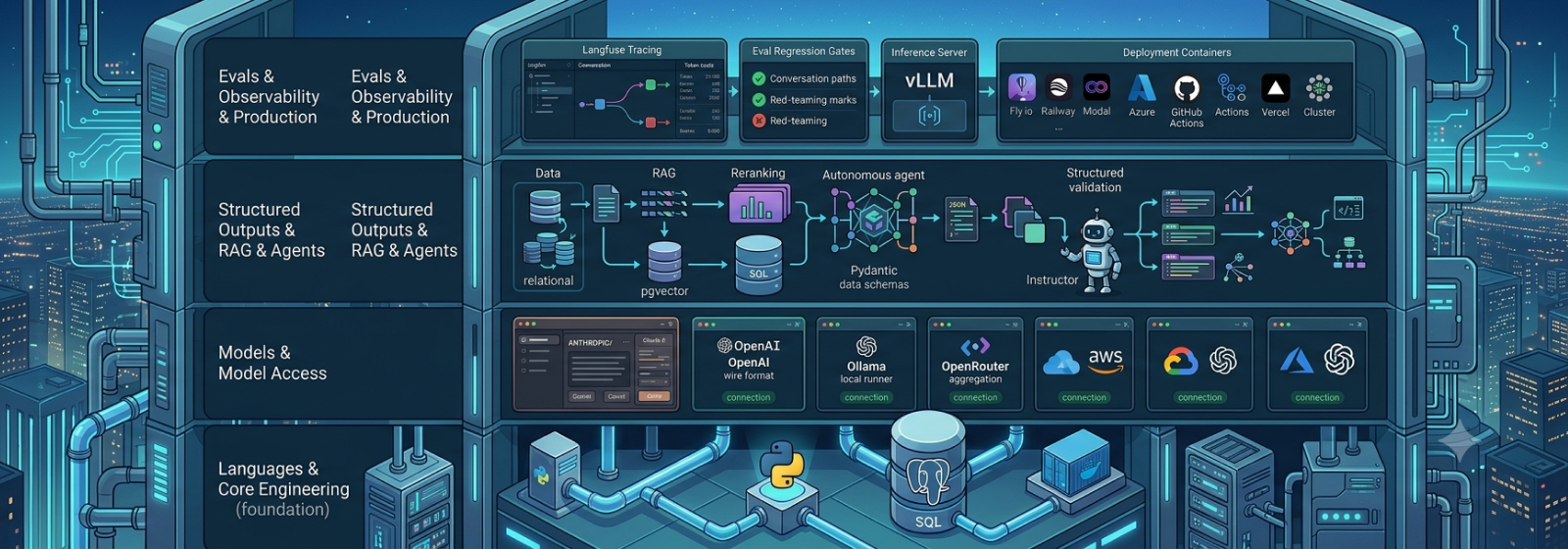
For everyone else, here’s the one-paragraph version: Microsoft Foundry is Microsoft’s unified platform for building, deploying, and governing AI models and agents. One project gives you a model catalog with 1,900+ models (OpenAI, Anthropic, Meta, Microsoft, and more), a managed Agent Service for building agents without babysitting infrastructure, built-in tools like file search and web grounding, and enterprise controls (RBAC, tracing, evaluation) so what you build doesn’t fall apart the moment it hits production.
That’s the pitch. This series is about actually using it.
What “Zero to Agent” Means
By the end of this series, you won’t just know what Foundry is — you’ll have:
- A Foundry project with a real model deployed
- A working agent you built and tested yourself
- That agent grounded in real data instead of guessing
- A basic understanding of tracing and evaluation, so you can tell when it’s misbehaving
- Enough governance and security knowledge to not get flagged by your platform team
No slide decks. Every post is something you can follow along with and end up with something running.
What You’ll Need
Nothing exotic:
- An Azure subscription (a free trial or pay-as-you-go both work fine for the examples here)
- A terminal and either the Azure CLI or your language of choice (I’ll mostly use the portal and Python, with CLI equivalents where they help)
- About 15-20 minutes per part
I’ll call out anything extra — a specific SDK version, a preview feature, a region requirement — at the top of each post as it comes up.
The Roadmap
Here’s the full series as planned. I’ll update this list and link each part as it goes live, so bookmark this post if you want a table of contents for the whole thing.
Series · Zero to Agent: A Microsoft Foundry Series
A hands-on walkthrough of Microsoft Foundry, from your first project to a production-ready agent. Practical steps over reference docs.
- 1 Kicking Off the Series (and What We'll Build) You are here
Why this series exists, what Microsoft Foundry actually is in one page, and the roadmap for everything that follows.
- 2 Your First Foundry Project and Model Deployment Coming soon
Create a Foundry resource and project, deploy a model from the catalog, and call it from code in about 10 minutes.
- 3 Building Your First Agent Coming soon
Prompt agents vs. hosted agents: build one in the Foundry portal, give it instructions, and talk to it in the playground.
- 4 Picking the Right Model Coming soon
A practical tour of the Foundry model catalog, and how to choose between GPT, Llama, DeepSeek, and the rest without guessing.
- 5 Giving Your Agent Tools and Knowledge Coming soon
Wire up File Search, Bing grounding, and your own data so answers are grounded instead of guessed.
- 6 Multi-Agent Systems Coming soon
Orchestrating multiple agents with Agent Framework, LangGraph, and MCP servers instead of one giant prompt.
- 7 Observability: Tracing and Evaluating Agents Coming soon
Turning on tracing, reading evaluation scores, and actually debugging an agent that misbehaves.
- 8 Locking It Down for Production Coming soon
Microsoft Entra identity, RBAC, network isolation, and the governance checklist before you ship.
Topics and order may shift a little as Foundry itself changes — it’s a fast-moving platform — but the destination stays the same: you, a working agent, and an actual understanding of how it got there.
What’s Next
Part 2 is the fun one: standing up your first Foundry project and getting a model deployed and answering requests. See you there.